How Behavioral Support Can Help Teens Who Self-Harm
Teenager
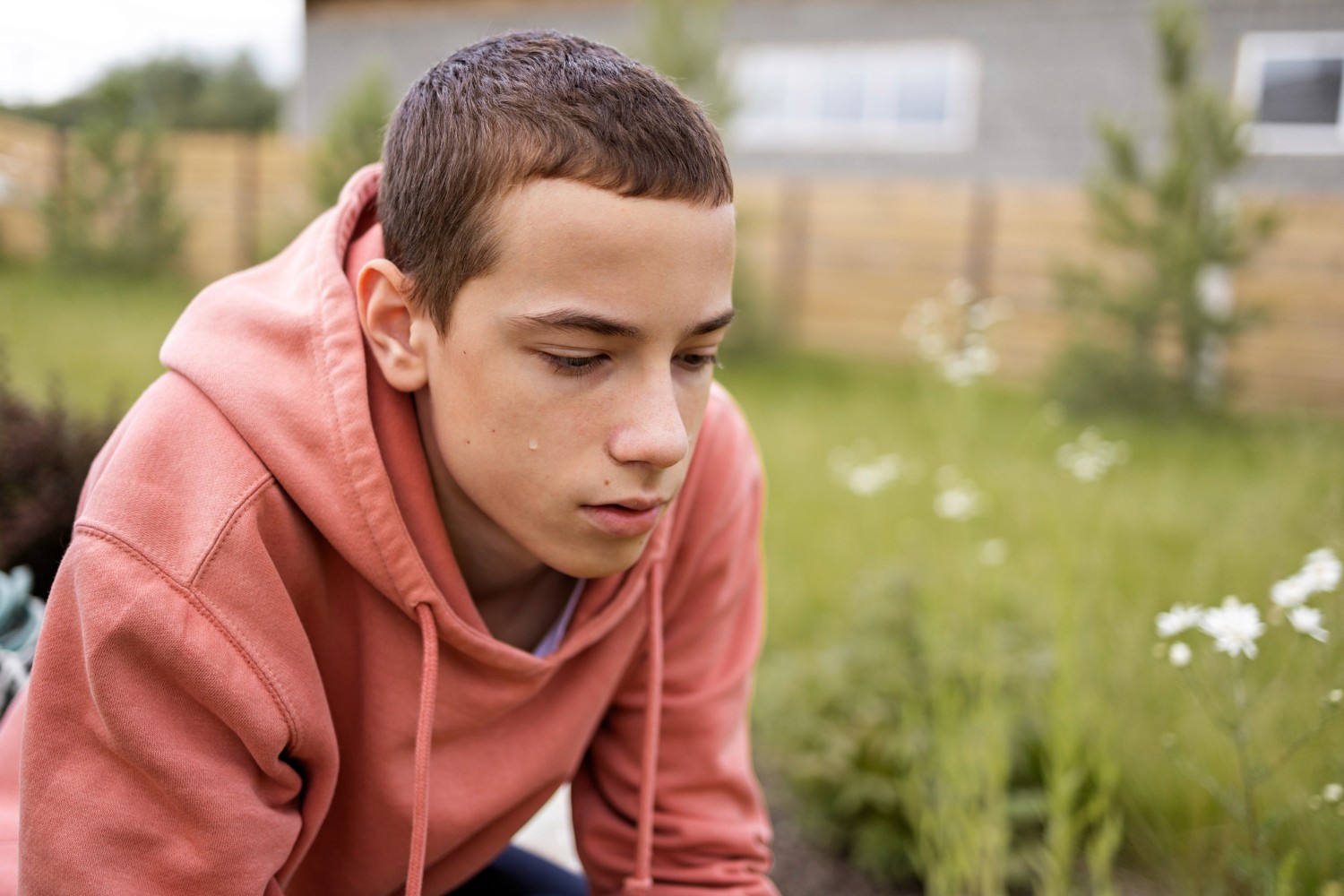
When teens start hurting themselves, it can catch families off guard. Self-harm often is not about seeking attention, but a quiet sign that something hurts inside. Some teens cannot find the words for that pain, so they show it instead. It might look like cuts, bruises, or other signs of injury, but the real wound is usually beneath the surface.
In winter, when the snow piles up around Salt Lake City and daylight gets short, emotions can feel heavier. Cold mornings and dark nights tend to make isolation feel even more intense. That is why a stronger kind of support is often needed. Behavioral treatment for teens offers a steady framework where young people can learn how to face difficult feelings without turning that pain inward. It does not fix everything at once, but it gives them real tools to get through it.
Understanding Why Teens Turn to Self-Harm
It is hard to see your child hurt themselves. But try to understand it is not always a sign they want to end their life. Most of the time, it is the only way they know to deal with stress. Some teens feel overwhelmed by shame or anger and do not know how to calm themselves. Others carry anxiety all day long and use self-harm to release pressure. In many cases, they just want the emotional pain to stop.
Sometimes these patterns go back years. A child who has had a hard start in life may never have learned how to soothe themselves in healthy ways. If they have lived through trauma or felt let down by adults, it can shape how they respond to stress. They might feel numb and see pain as a way to feel something. Or they might feel too much and see harm as the only way to get a break from their thoughts.
No matter the reason, self-harm is a signal. It is a sign that a regular school day or family talk is not enough on its own. That is where safe, structured support becomes the best next step.
The Role of Behavioral Support in Healing
Behavioral support helps teens understand how their thoughts and actions are linked. It is not just about stopping something harmful. It is about figuring out why it feels necessary in the first place. When teens feel stuck in patterns they cannot explain, this kind of support shows them that change is possible.
In a treatment setting, behavioral support starts with safety. From there, teens learn to spot what triggers them and how they usually react. The goal is not just to control behavior, but to give them better choices when big feelings come up. At Havenwood SLC, behavioral support is part of a multi-therapeutic model that combines individual, family, and group sessions for young men ages 12 to 18.
Here is how behavioral treatment for teens can help those who self-harm:
• It teaches them to recognize the warning signs in their body or mind before harm happens
• It gives them replacement tools like deep breathing, movement, or guided breaks
• It connects them with trusted adults who respond calmly instead of reacting with fear or frustration
When a teen feels seen instead of scolded, those protective walls can begin to soften. That is when healing begins.
How a Safe, Calm Environment Changes Everything
Many teens do not feel safe enough to open up when their world feels loud, chaotic, or full of judgment. If they have hurt themselves, they often expect anger, shame, or punishment. A calm environment does the opposite. It helps their guard come down.
Teens who self-harm tend to feel out of control. So, a setting where the daily rhythm stays predictable can help more than people realize. Regular meals, warm interactions, and quiet breaks are not just routines. They are the start of trust.
In Salt Lake City, December brings snow, shorter days, and long evenings indoors. For a teen in emotional pain, being cooped up can turn stir-crazy into despair. That is why a safe setting matters more during cold seasons. It offers:
• A break from school or social triggers that feed the urge to self-harm
• A warm, low-pressure space where emotional walls slowly come down
• A caregiving structure that lets teens know someone is steady even when they are not
Within that setting at Havenwood SLC, evidence-based therapies such as EMDR, Brainspotting, Neurofeedback, and DBT work alongside behavioral support to help students process trauma and practice new coping skills. A teen does not have to talk much to feel a sense of calm. It is about the tone of the room, the patience of the adults, and the quiet ways care is offered without pressure.
Helping the Whole Family Understand and Support
Self-harm does not just affect the teenager. It touches everyone around them. Parents often feel like they have failed or worry the wrong move could make things worse. That is why we believe in helping families learn alongside their child.
Part of behavioral support includes teaching caregivers how to respond in steady, helpful ways. It reminds them that trust may rebuild slowly, and that is okay.
Family involvement can take many forms. Sometimes it means listening without fixing. Other times, it is learning communication patterns that do not stir more guilt or shame. When done with support, families can become part of the healing instead of another stress point.
Here are some gentle family support strategies that help:
• Keep your tone steady, even when emotions run high
• Check in with curiosity, not control
• Celebrate small steps, even if progress feels slow
The goal is never perfection. It is about making the home feel like a softer place to land.
Why Real Change Takes Time and Consistency
Many teens who self-harm do not trust change easily. They may have tried opening up before and felt dismissed or invalidated. So when new support is offered, their first response might be protest or withdrawal. That is part of the process.
Change that lasts rarely happens fast. It takes time to unlearn old habits and build new ones, especially after trauma. Progress often looks uneven. One good week might be followed by a few hard days. That is not failure. It is part of healing.
Consistency matters more than quick fixes. When teens see that caregivers and support staff are not giving up, it helps them stay engaged over time. That steady belief in them, spoken or not, can quiet the panic that nothing will ever get better.
The slow steps you do not always notice are the ones that build true strength.
Real Hope for Teens Who Seem Stuck
Some teens seem unreachable. Maybe therapy has not worked before. Maybe they will not talk at all. That can leave families feeling like nothing will help, but there is still real hope.
Every behavior comes from somewhere. When we approach a hurting teen with calm, not panic, we can often find what lies underneath the surface. Behavioral support is not about controlling teens. It is about giving them space to understand themselves, with caring adults nearby.
When the right kind of support meets the right kind of setting, even the most guarded teens can begin to heal. We have seen it happen. Resistance does not mean a child is beyond help. It often means no one has found the right way in yet.
Every child deserves the chance to feel safe in their own skin, even the ones who try hardest to act like they do not. At Havenwood SLC, that chance includes long-term residential care that integrates therapy with accredited academics and life skills so progress can carry into everyday life.
At Havenwood SLC, we have seen how healing takes root when teens feel safe, supported, and truly understood. For families facing the heartache of self-harm, the right tools and environment can make a real difference. Our approach helps uncover what is behind the behavior and supports teens in learning safer, healthier ways to cope. To see how we use behavioral treatment for teens to build emotional safety, reach out to us today.

