Healing Setbacks in Teen Trauma Care: When Residential Treatment Still Makes
Teenager
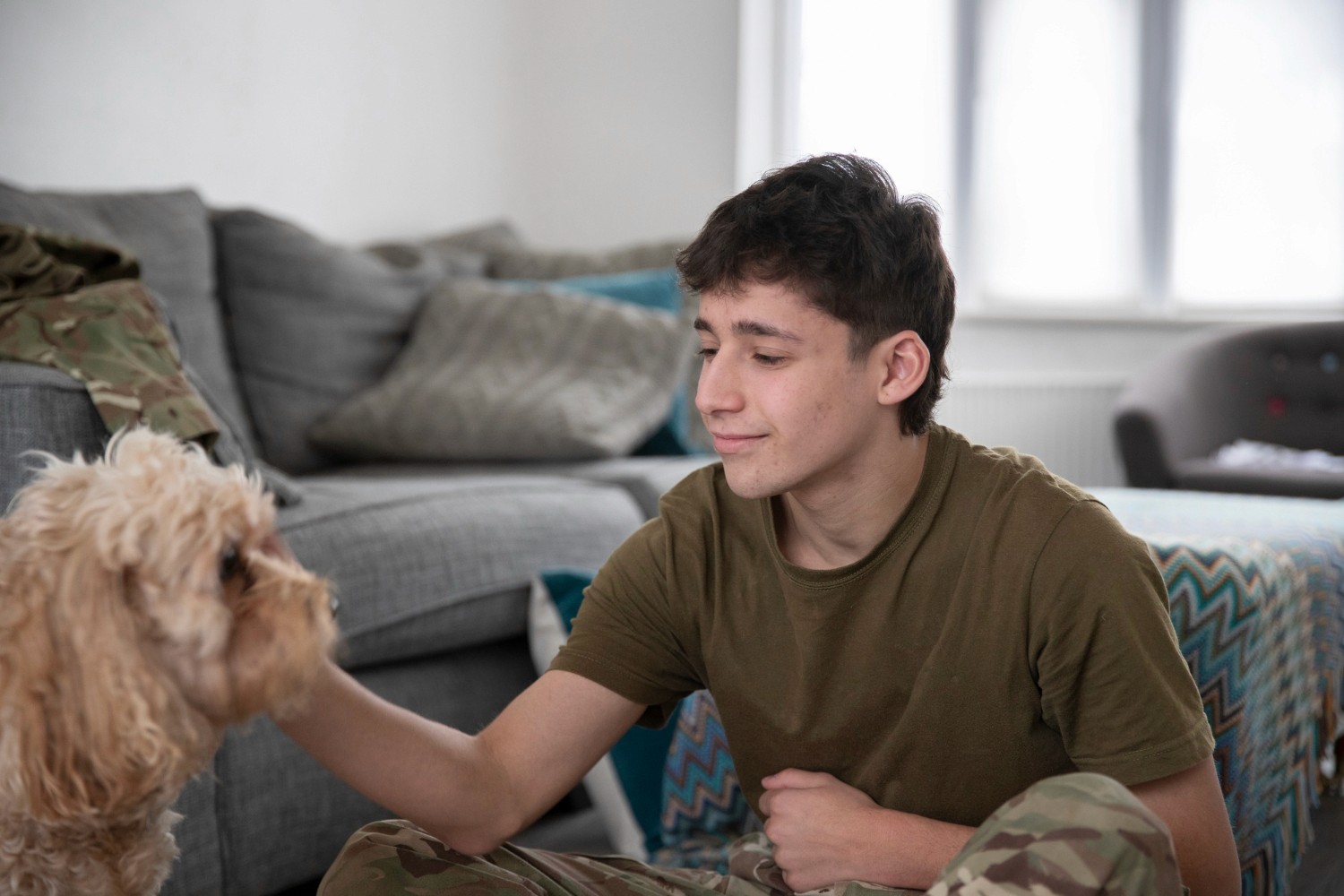
Healing Setbacks in Teen Trauma Care: When Residential Makes Sense
When progress slows for a hurting teen, it can feel like the ground falls out from under your family. You might have tried therapy, school changes, maybe even short-term treatment, and still watch your child struggle. It is hard not to wonder if anything will ever work.
We want you to hear this clearly: stalled progress does not mean your teen is beyond help. Trauma recovery is rarely a straight line. In this article, we will talk about why things can look worse before they get better, how to know when residential treatment facilities for teens are still the right option, and what healing can look like over time for boys who have already been through a lot of systems and programs.
When Progress Slows but Your Child Still Needs Help
Many parents arrive at this point feeling worn out and scared. You may have:
Tried several therapists or outpatient programs
Switched schools, including special programs or smaller settings
Gone through hospital stays or crisis assessments
Rearranged home life to keep your teen safe
When your teen still acts unsafe, shuts down, or explodes, it is easy to think, "nothing works." But stalled progress often means the level of support does not match the level of pain, not that your child cannot heal.
Trauma recovery often shows up in waves. Times like school transitions, summer breaks, or holidays can stir things up. Routines change, expectations shift, and old wounds can show themselves through behavior. As hard as this is, those spikes can give important clues about what kind of care your teen actually needs to move forward.
At Havenwood SLC in Utah, our focus is teen boys with complex trauma who have struggled in other settings. We build care around safety, relationships, and steady support so that even after past treatment disappointments, there is still a real path forward.
Why Trauma Recovery Often Gets Harder Before It Heals
When a teen with trauma begins to feel a little safer, deeper layers of pain often surface. On the outside, this might look like things getting worse:
Bigger anger or outbursts over small things
Pulling away from family, school, and friends
Acting younger than their age or clinging to old habits
Testing limits with risky or defiant behavior
It can feel like all the work you and your child have done is falling apart. Often, though, this is the point where real work is starting. As defenses drop, the hurt that has been buried finally shows up. A teen might push harder against adults to see if people will stay.
Certain times of year can turn this volume up even more. Late spring and early summer can bring:
Unstructured time that feels scary instead of relaxing
Pressure about school performance, tests, and grades
Changes in routine, including travel or visitors
Shifts in parenting expectations and limits
If you feel exhausted or confused, you are not alone. Many families and professionals wrestle with the question: "Is treatment failing, or has this child simply outgrown the level of support they have?" When outpatient, brief programs, and school-based help are no longer enough to keep your teen and others safe, it may be time to think about a different kind of care.
When Residential Treatment Still Makes Sense After Setbacks
Choosing residential care after other efforts have not worked is a heavy decision. It does not mean you or your teen have failed. It often means your family has done everything possible at home and needs more help.
Residential treatment facilities for teens may be appropriate when:
There are repeated crises or emergency visits
Safety at home or school is regularly at risk
Quality outpatient therapy is in place, but progress keeps stalling
Other programs or placements have not led to lasting stability
For boys with trauma, a relationship-based, trauma-focused model is especially important. Many of these teens have already been in settings that focused mostly on behavior. They might have heard a lot about rules and consequences without enough focus on why their nervous system reacts the way it does.
When treatment keeps breaking down, teens can start to believe they are the problem. A long-term, trauma-focused residential setting offers time, consistency, and emotional safety that shorter or more surface-level programs simply cannot. Choosing this level of care is not giving up. It is protecting your teen and giving them the support they have not had long enough or deeply enough.
How Havenwood Creates Safety After Multiple Treatment Failures
At Havenwood SLC, we designed our environment around boys with complex trauma and disrupted attachment. Many arrive after several programs, school changes, or residential settings. They are often guarded, angry, or numb. We expect that, and we do not take it personally.
Our campus and daily life focus on:
Predictable routines, so teens know what is coming next
Sensory-aware spaces that try to reduce overwhelm rather than add to it
Staff trained to see behavior as communication, not as a personal attack
Our approach centers on relational safety. We work to build trust through steady, respectful interactions, not quick fixes. School is individualized, so academics can move at a pace that matches each boy’s emotional readiness instead of forcing him into a one-size-fits-all classroom.
Clinically, we go deeper than behavior plans. We look at trauma, attachment, and how a teen’s body and brain have learned to survive. Family involvement is key too. We want caregivers to feel supported, informed, and included, not blamed or pushed aside.
For boys who have had broken placements, we spend a lot of time on repair. That means:
Adults staying present during hard moments instead of giving up
Owning our mistakes and making things right when ruptures happen
Showing teens that relationships can hold both accountability and care
Over time, this steady presence can help rebuild trust that people might actually be safe.
Building a New Story: What Healing Can Look Like Over Time
We do not promise quick turnarounds or instant change. Real healing from trauma usually shows up in small, steady shifts, such as:
Fewer intense crises and shorter outbursts
Better emotional regulation and recovery after stress
Healthier boundaries with peers and adults
More honest communication about feelings and needs
Increased readiness for less-restrictive settings
Many boys arrive at Havenwood after several failed programs, feeling done with adults and done with hope. Over time, as they experience consistent care, some begin to re-engage in school, show up more in family therapy, and reconnect with their own strengths and interests.
We see residential care not as starting over, but as gathering all the work that has been done before and giving it enough safety and time to grow. Previous therapists, programs, and school staff often did important pieces. Our role is to honor that work, not erase it, and help it finally take root in a more stable environment.
Next Steps When You Are Afraid to Hope Again
If you are reading this and feel both scared and tired, you are exactly the kind of parent or professional we hold in mind every day. When everything feels loud and urgent, it can help to pause and come back to one core question: What does this teen truly need right now?
Most often, the answer includes safety, stability, and adults who understand complex trauma and do not fear big emotions. A helpful next step can be to:
Gather past records and reports so your teen does not have to start their story from scratch
Talk openly with current providers about what they see and what they recommend
Clarify your own non-negotiables for safety and support
At Havenwood SLC, our mission is to provide world-class trauma treatment to children who might not otherwise receive care. If you worry your teen is too much or too complicated, you are in the right place with us. We believe no child is beyond help, and with the right support, new stories are possible.
Take The Next Step Toward Your Teen’s Healing
If you are exploring residential treatment facilities for teens, we invite you to see how Havenwood SLC provides a safe, structured, and compassionate environment for lasting change. Our team is ready to listen to your concerns, answer your questions, and help you understand what care might be the best fit for your family. When you are ready to talk about options or start the admissions process, please contact us so we can walk you through each step.

