How Residential Programs Help Teens Build Life Skills
Teenager
Jan 25, 2026
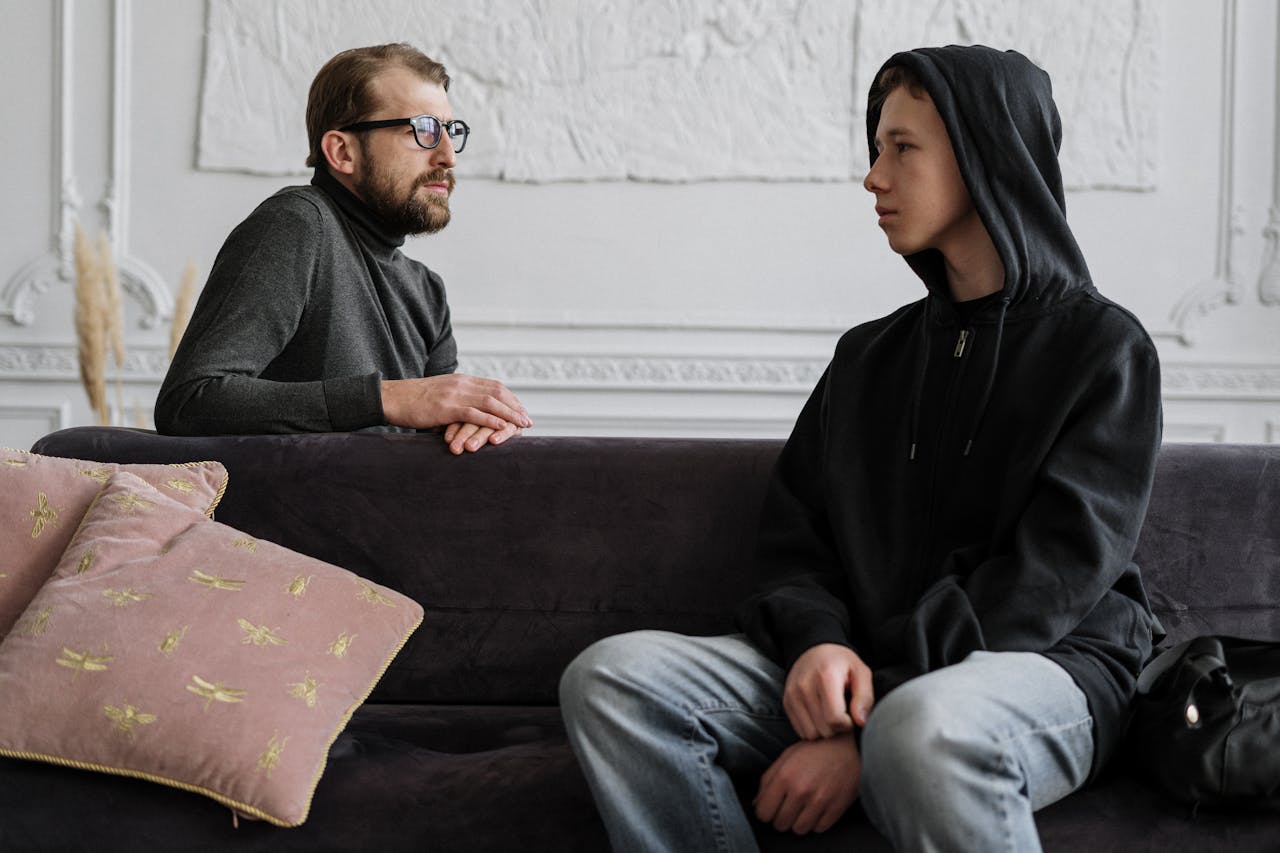
Life skills do not always come naturally, especially for teens who have been through trauma. When the world around them has felt unsafe or unpredictable, even basic routines can feel overwhelming. For young people in residential youth treatment, healing goes beyond therapy sessions. It extends into everyday moments like getting ready in the morning, keeping personal space clean, or learning to speak up in a group. These pieces may seem small, but over time, they make a big difference.
We have seen how a steady environment and simple routines help teens feel more grounded. They learn by doing, with support every step of the way. That is how confidence builds, through real-life moments in safe, structured spaces where growth is encouraged and mistakes are met with understanding. Learning life skills is not about getting everything right the first time. It is about having the chance to try again, especially when tomorrow looks more predictable than yesterday did.
Safe Spaces That Support Growth
A calm, predictable place does more than give teens a place to sleep. It shows them what stability feels like. After trauma, many young people stay on high alert, always scanning for what will go wrong next. That kind of stress makes it hard to focus, follow instructions, or plan ahead.
In a residential setting, clear routines give structure to the day. Wake-up times, meals, school, and activities follow a steady rhythm, which helps settle the nervous system. When teens begin to know what is coming, it creates more room for learning and connection. At Havenwood SLC in Salt Lake City, Utah, residential youth treatment happens within a long-term treatment center and therapeutic boarding school designed for young men ages 12 to 18 who have experienced complex trauma and attachment challenges.
We pay close attention to how our surroundings impact emotional safety, especially during winter in Salt Lake City. Cold months often mean more time indoors. Because of that, it is important to have warm, welcoming spaces where teens can relax, read, join in group activities, or simply be quiet without pressure. It is in those pauses that they often begin to feel safe enough to open up, take risks, and try new things.
Everyday Skills That Build Independence
Some young people arrive unsure of how to handle daily tasks, not because they do not care, but because things like brushing teeth or keeping track of time may not have been consistent in their earlier lives. Trauma disrupts routines, and rebuilding them takes trust, patience, and support.
In residential treatment, life skills are built into the day without being overwhelming. Teens gradually learn how to care for their bodies, manage personal items, and plan out time for schoolwork and rest. They do not do this alone. Supportive adults are there to guide and model what healthy routines look like. At Havenwood SLC, this day-to-day learning is supported by accredited academics and structured life skills development so teens can keep moving forward both emotionally and in their education.
We remind teens that these are not just chores or checklists. These are tools that help life feel more manageable. When they learn to follow a routine or take initiative, they are also learning:
• How to stay organized even when things feel stressful
• That they have the ability to solve small problems on their own
• What it feels like to meet personal goals and feel proud of it
These wins set the stage for independence, showing teens that they are capable of handling more than they thought.
Learning Through Responsibility
One of the best ways teens grow is by having real responsibilities that matter to the group. Being part of a shared space means helping to care for it, whether that is cleaning up after meals, watering plants, or organizing a shared room. These tasks are not just about keeping things tidy. They help teens understand that they are needed, and that their efforts count.
When a young person takes on a job and sees it through, confidence grows. It does not have to be perfect. What matters is the experience of doing something useful and being seen for it.
We watch for these moments:
• A teen who starts offering to help without being asked
• Someone who remembers a task day after day
• A quiet kid who finally speaks up in a group when others appreciate their work
These are small signs, but they point to bigger emotional steps. Responsibility gives structure. Success gives hope.
Emotional Skills Are Life Skills Too
It is easy to think of life skills as doing things, shopping, time management, laundry. But for teens in trauma recovery, emotional skills matter just as much. If anything, these can be harder to learn, especially when fear or loss has shaped their early experiences.
Helping teens name their feelings is one starting point. From there, we work with them on how to express themselves safely, listen to others, and ask for help when needed. These are not quick lessons. They show up in conversations, peer conflicts, or quiet moments after a hard day.
The relationships they build in residential youth treatment make all the difference. Adults who do not give up, even after a meltdown or shutdown, show teens they can trust again. At Havenwood SLC, emotional growth is supported by evidence-based therapies such as EMDR, Neurofeedback, Brainspotting, and DBT, which help teens process trauma while they practice new ways of coping. That trust opens the door for:
• Better communication
• More honesty about emotions
• Healthier ways to handle stress or fear
As emotional skills improve, teens take more chances socially and start to connect in meaningful ways.
Building a Future Teens Can Believe In
What happens when a teen begins to believe they are more than what happened to them? When they realize they can choose how they show up, respond, or cope? That is when real change sticks.
Daily wins, folding laundry right the first time, making it through a hard day without shutting down, sharing a true thought in a group, build one by one. Over time, they add up to something solid. A sense of identity, of direction, of growing into someone they want to be.
This kind of growth does not happen overnight. It comes through rhythm, connection, and being part of something where healing gets to take time. A residential setting offers that space, helping teens grow stronger from the inside out. Once they begin to see their own progress, they start imagining a future that feels safe, steady, and real.
At Havenwood SLC, we understand how important steady support is for teens rebuilding after trauma. When life skills are learned in a safe, caring environment, young people can begin to trust themselves again and see their own potential. Our work is grounded in helping each teen move forward step by step, building confidence through real-life practice. Curious how our approach to residential youth treatment supports meaningful healing in Salt Lake City? We are here to answer your questions and are ready to help whenever you reach out.

