How Complex PTSD Can Show Up in Teens
Teenager
Mar 15, 2026
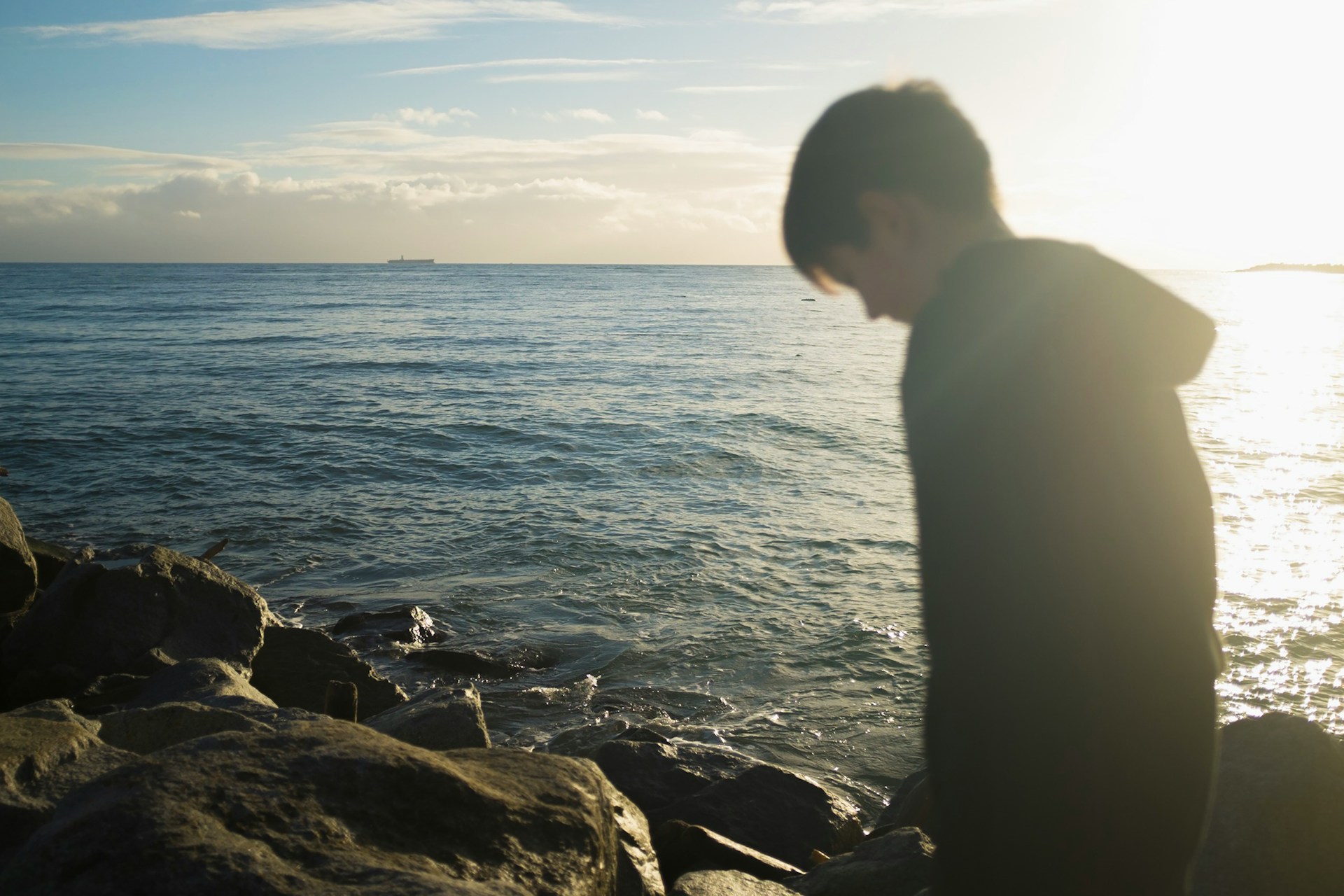
Complex PTSD doesn’t always show up in the ways people expect, especially in teen boys. Many families don’t realize that the anger, shut-down behavior, or impulsive choices they’re seeing may be rooted in trauma that built up over years. In Salt Lake City and other nearby areas, we often see parents and caregivers trying their best, but feeling lost or drained by patterns that don’t improve with quick fixes.
That’s why it helps to understand what complex trauma looks like in teens, and how it often shows up differently than more typical stress responses. Healing from this kind of pain takes more than time. It takes a safe place, steady support, and the right kind of help. For families looking for consistent PTSD treatment for teen boys, understanding the signs of complex trauma is the first step toward meaningful change.
What Makes Complex PTSD Different from Typical Trauma
Not every teen who struggles with fear or big emotions has complex PTSD. What sets this kind of trauma apart is how long it lasts and how deeply it affects everything from how a teen thinks to how they see the world.
This kind of trauma usually comes from things that happened across childhood, not just one single event. Things like instability in the home, broken attachment with caregivers, emotional neglect, or abuse build up in ways that are hard for young brains to manage. Over time, those early hurts get carried into how they react to the world.
What we often see are signs most people don’t link to trauma at all. Things like:
Constant defiance or refusal to follow rules
Isolation and deep withdrawal from others
Explosive reactions to small frustrations
Mistrust toward adults, even those who mean well
These are not just behavior problems. These are emotional survival tools for kids who have learned they can’t count on safety, even in familiar places. Helping these teens requires seeing beneath the surface and understanding what shaped those patterns in the first place.
Signs Complex PTSD Might Be Showing Up
Teens don’t always know how to explain what’s going on inside them. When complex PTSD is present, it often shows itself in layered ways. We have noticed a few areas where these patterns show up most clearly:
1. Emotional responses – Many teens swing between outbursts and numbness. One moment they may seem distant or passive, the next they explode without warning. This up and down pattern can confuse caregivers who are trying to offer consistency.
2. Relationships – These teens may avoid getting close to others or seem to test relationships through arguments or disconnection. Forming trust can feel scary when earlier connections were painful or unreliable.
3. Daily life – School, sleep, and basic routines often get disrupted. Some teens can’t sit still or focus, while others seem shut down. These aren’t just attention challenges or laziness. They’re expressions of a nervous system stuck in overdrive or collapse.
When these things stack up, it’s easy to miss the link to trauma. But spotting the patterns is the first step to getting the right kind of help in place.
Why Some Teens Don’t Know What They’re Feeling
A lot of teens we work with are not trying to be difficult. They are doing their best to survive emotions they may not even have names for. Complex PTSD can make it difficult to separate one feeling from another.
Many trauma-impacted boys were never given safe space to feel sad, scared, or confused. That shows up later in ways that look like:
Shutting down instead of speaking up
Acting angry because they don’t know they are actually feeling hurt
Avoiding hard conversations because emotions feel out of control
From the outside, this can look like disrespect or behavioral problems. But it usually comes from deep confusion and fear. These teens are not trying to push people away on purpose. Their nervous systems are still stuck in fight, flight, or freeze patterns that were once necessary just to make it through the day.
Support that stays steady over time can help these responses slow down. Once they feel emotionally safe, they have the chance to begin sorting through what they are carrying and why their bodies respond the way they do.
How Residential Treatment Builds Safety for Healing
Kids recovering from complex PTSD do not need quick fixes. They need safety that stays the same every day, even when their behavior doesn’t. That kind of support is hard to create at home, especially when families are feeling stretched thin.
We have seen how a calm, supportive residential setting can make a big difference for boys who have been stuck in fear based patterns for years. At Havenwood SLC in Salt Lake City, Utah, that setting includes long-term residential treatment and a therapeutic boarding school model for young men ages 12 to 18, alongside accredited academics and structured life skills support. This kind of space gives them:
Predictable routines where they don’t have to guess what’s coming next
Time and space to settle before being expected to open up or change
Adults who respond calmly to their big emotions, without reacting
As trust grows, so does the ability to try something different. Instead of acting out or shutting down, teens begin to name what they feel. They explore tools like EMDR, Neurofeedback, Brainspotting, and DBT, but only when they feel ready. Nothing works faster than the brain will allow.
For those seeking PTSD treatment for teen boys, a residential setting with long-term support can be the place where real change finally begins and lasts.
Rebuilding from the Inside Out
Healing from complex PTSD does not mean forgetting the past. It means learning how to live today without that past calling all the shots. That’s slow work. But we have seen time and again how steady support can help behavior shift from survival driven to thoughtful and calm.
When a teen trusts the people around him, he starts to show new sides of himself. Not because someone told him to, but because he finally feels safe enough to try. That shift takes time and many small steps, but it is possible. Families going through this are not alone. There are ways to support healing that help break the cycle, for good.
At Havenwood SLC, we understand how challenging it is to support a teen moving through fear, anger, or withdrawal. When trauma becomes part of a young person’s daily life, it takes more than patience to help them move forward. That’s why we are dedicated to consistent care and safe therapeutic approaches designed for lasting change. Families looking for trusted PTSD treatment for teen boys can reach out to us to start a conversation about what healing may look like.

