How Nature Activities Support Growth in Teens
Teenager
Mar 29, 2026
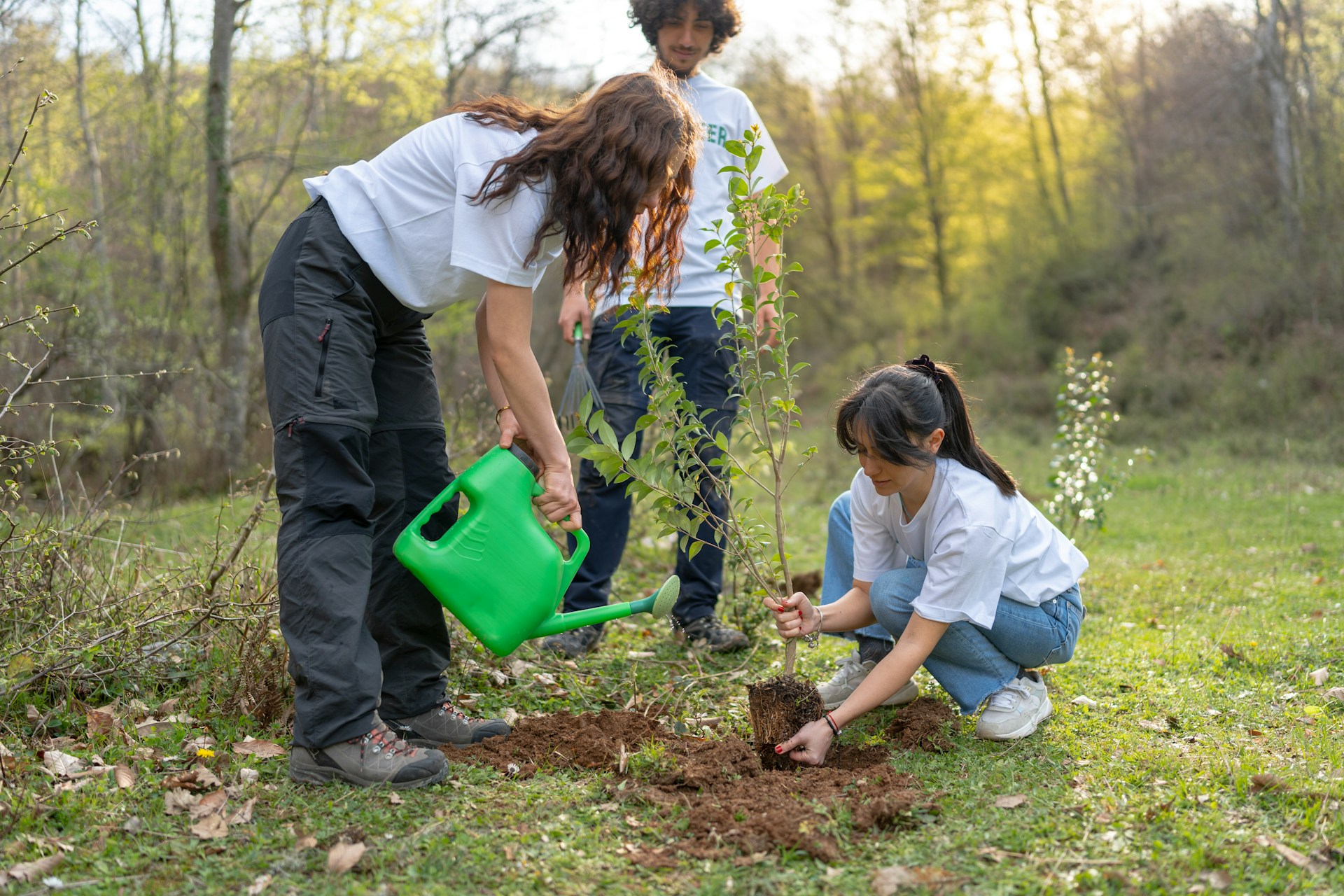
Being outside does something different for teens, especially those who have dealt with trauma. Nature gives them breathing room. It helps them settle, feel less crowded inside, and begin to open up without the pressure that comes in more structured, indoor settings. In places where teens are working through deep emotional pain, the quiet of the outdoors can feel like a kind of relief.
An adolescent mental wellness center can use outdoor activities to help shift the healing process. Many teens simply can’t process their experiences by sitting in a room and talking. Fresh air, movement, and the natural world often create the right opening. Once teens feel safer on the outside, they can start to feel a little safer on the inside too. At Havenwood SLC in Salt Lake City, Utah, these outdoor experiences are part of a long-term residential treatment and therapeutic boarding school program for boys ages 12 to 18 who are healing from complex trauma and attachment challenges.
How Nature Builds Safety Without Walls
For a teen who has felt trapped or powerless, being in nature can be one of the first steps toward feeling free again. Open spaces, quiet paths, or even just a place to sit with sunshine on their skin can help dial down stress that hasn’t eased in years.
Nature doesn’t push. There’s no need to talk if someone isn’t ready. Just stepping outside can help the body settle. Here’s how it helps:
Wide, open spaces reduce the feeling of being watched or cornered
Moving through nature, even slowly, encourages the body to regulate without force
Sensory input like the feel of dirt, the sound of wind, or the motion of water offers gentle grounding
For some teens, the idea of feeling calm has always seemed out of reach. But nature offers it in a way that feels natural, not manufactured. It doesn’t need to be a perfect trail or a quiet forest. Even a small garden or shaded sitting area can give teens a sense of peace they’ve rarely known.
Making Real-World Connections Through Nature Activities
Nature-based activities aren’t just about quiet moments. They’re also ways to practice power in small steps. When teens plant something and care for it, or help fix a fence, or walk a rescue dog, they get to see something real happen because of their effort.
These moments matter more than they seem. They’re about more than finishing a task. They show young people that their actions count. Here are a few examples of why these moments stick:
Gardening teaches routine and patience and gives teens something to nurture
Hiking gives structure without too much pressure and allows space for silent connection
Working with animals or helping with outdoor chores builds trust and responsibility piece by piece
Outdoor tasks often give teens something to do with their hands, which can make dense feelings easier to carry. In those moments, many teens begin to shift how they think about themselves. From feeling helpless or stuck, they begin to notice they can change things around them. At Havenwood SLC, these nature-based experiences sit alongside accredited academics and structured life skills work, helping boys practice responsibility and follow-through in everyday life.
Nature as a Gentle Path Toward Trust
Trust doesn’t come from being told that things are safe. It comes from small experiences, stacked over time. Out in nature, trust builds in quieter ways, often without needing a single word.
Sharing quiet time outside with a staff member or peer doesn't require eye contact or deep conversation. Teens don’t feel pushed to share. That slower pace allows them to notice that someone is simply present, without needing anything in return. These kinds of patterns start to teach a new message: some people will stay and be steady, even when things are hard.
Group nature activities add to that sense of safety. Building something together outdoors or simply walking the same trail helps teens connect without the pressure of face-to-face communication. With each safe moment, with each boundary respected, teens start to feel less alone.
In time, this helps them open up a little more. Not because they were forced to, but because the environment made it feel possible.
Building Independence Step by Step
When teens have the chance to take small risks and succeed, it opens the door to bigger change. Nature lets this happen in safe, measured ways. These moments aren’t about proving anything big; they’re about trying something and noticing it worked.
Here are some simple outdoor challenges that help teens build belief in themselves:
Planning an outdoor walk and figuring out which path to follow
Learning how to build a fire safely, or how to set up a shelter
Remembering how to dress for changing weather and managing gear
Every bit of progress in the outdoors carries over. A teen who wasn’t sure he could plan a short hike starts to believe he might be able to manage school assignments. One who helped plant spring flowers may feel ready to try something new in the classroom or speak up in a group.
These connections aren’t coincidental. Nature gives teens real feedback. What they put in shows up in return. Over time, they begin to rely on themselves more, and that’s a huge part of healing.
Why This Kind of Growth Matters
Trauma recovery doesn’t always follow a straight line. It’s hard work, and for many teens, talk therapy on its own isn't enough. Their minds and bodies need to feel safe again before deeper healing can start. Nature offers a setting that is steady, simple, and honest. No one has to earn their place outdoors. They just show up.
Spending time in nature lowers pressure. It helps teens try things in new ways without fear of failure. Some of their greatest steps forward happen quietly, in moments of stillness, in shared work, or in feet making steady progress uphill.
At an adolescent mental wellness center, spaces like these aren’t used for distraction. They’re used as tools to support trauma recovery that teens can actually feel. We watch nature help many of them reconnect with the parts of themselves that felt lost, and that’s a kind of change that sticks. In Salt Lake City, where the ground begins to thaw and bloom in early spring, we see again and again how healing often begins with something as small as a walk outside. At Havenwood SLC, these outdoor experiences complement evidence-based therapies such as EMDR and Neurofeedback, creating a full environment where emotional work and real-world practice go hand in hand.
At Havenwood SLC, we’ve seen how natural settings help teens reconnect with themselves through steady, grounded experiences. When trauma makes it hard to trust people or feel safe in a room, nature offers an open alternative that nudges healing forward at the right pace. As part of our approach, we include outdoor experiences that support change from the inside out, making them a core part of what we do as an adolescent mental wellness center. For families in Salt Lake City seeking a place where teens can start to feel safe again, we’re here to talk, reach out to learn how we can help.

