How Peer Bonds Help Teen Boys Grow in Treatment
Teenager
Dec 14, 2025
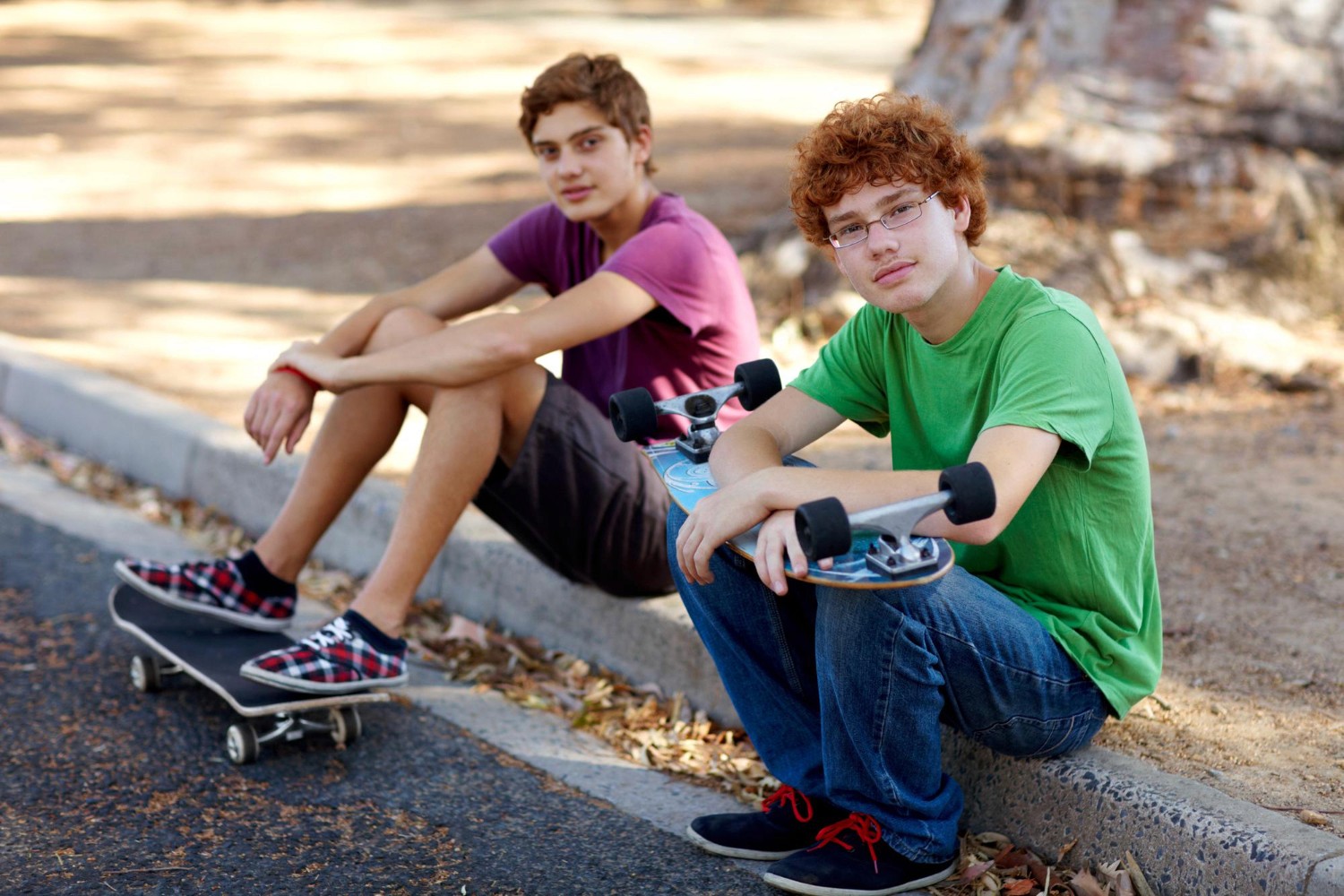
Peer relationships are a big part of what helps boys heal during their stay at a teen boys treatment center. For many young people who have experienced deep hurt or hard childhoods, learning how to trust again can take time. But something powerful happens when they meet others going through similar things. In a safe place like our center in Salt Lake City, Utah, these new friendships can be the key to real growth. At Havenwood SLC, that setting is a long-term residential treatment center and therapeutic boarding school for young men ages 12 to 18 who are recovering from complex trauma and attachment issues linked to Adverse Childhood Experiences.
For some, it starts slowly. A shared laugh in group, a game during free time, or sitting by someone during meals. These small moments of connection add up. Over time, peer bonds can help boys lower their guard and feel less alone. When that happens, they often begin to grow in ways that could not happen before.
Why Friendships Matter in Residential Treatment
It is common for boys entering treatment to carry heavy emotional burdens. They may feel closed off, angry, or unsure of who they can trust. If their past friendships were short-lived or full of hurt, starting over can feel scary.
Still, being around others who understand helps break down walls. When boys see that others share similar stories or feelings, it builds a quiet sense of belonging. This is not just about getting along. It's about knowing you are not the only one feeling what you feel.
Friendships in treatment give boys a place to try out talking, listening, and simply being together. Over time, that helps with how they communicate. We find that when boys feel emotionally safe with peers, they tend to open up more, even in therapy or group discussions.
How Peer Bonds Reinforce Positive Behavior
Once boys start forming friendships, we often see real behavior changes begin to stick. There is something strong about learning from someone your own age who is making healthier choices.
Here are a few ways these peer bonds support better habits:
• When boys see a friend using a healthy coping skill, they are more likely to try it too
• Encouragement from a peer often feels real and personal, helping boost confidence
• Boys gently push each other to stay on track, whether it's in the classroom or during group sessions
In many ways, peers act as mirrors. A kind word or a reminder from someone going through the same work feels different than when it comes from an adult. It feels authentic. That is why peer feedback can be such a helpful part of the process.
Building Trust in a Trauma-Aware Environment
For boys who have been hurt in relationships before, learning how to trust again is not always quick. Some may avoid connection at first. That is part of the trauma response, and it is something we understand fully.
The setting they are in matters. A calm, consistent structure helps make daily life predictable. That predictability helps bring down anxiety and opens the door to new relationships. At Havenwood SLC, a multi-therapeutic model brings together clinical work, accredited academics, and life skills practice, so boys can try out new ways of connecting with peers throughout the day, not just in formal sessions.
Staff play a big role in keeping peer interactions respectful. If conflicts come up, they are handled with care. That way, even hard moments can become learning opportunities. By modeling what safe connection looks like, we help boys move from isolation to trust, even if it starts with just one peer.
Winter at a Treatment Center: How the Season Impacts Peer Interactions
Winter in Salt Lake City brings snow, cold mornings, and longer nights. While some parts of the season can feel low-energy, we have seen how this time of year can actually lead to stronger peer connections.
With the weather keeping things more indoors, boys naturally spend more time together during structured and casual activities. Some of the bonding moments we see during December come out of simple things like:
• Art projects created as a group
• Shared board games or puzzles during free time
• Studying or reading quietly in the same space
These smaller moments can spark deeper conversations. A cozy blanket, a warm room, and time to talk help boys connect in ways that might not happen during busier times of the year. For some, winter becomes a chance to slow down and really focus on relationship-building.
What Lasting Growth Can Look Like
When these peer bonds deepen, something changes in how boys see themselves. For many, their past identity was tied to being in trouble, feeling unwanted, or not knowing where they fit. But through connection, their story can begin to shift.
Being someone’s friend or receiving kindness from a peer helps build self-esteem. Suddenly, they are not just a kid in treatment. They are someone who listens, someone who matters. It might be the first time they have felt that in a long while.
Long after boys move on from treatment, the habits and lessons shaped by their friendships stay with them. They often go on to form healthier relationships at home, in school, and with adults, because they had the chance to practice it with peers who understood what recovery feels like.
Friendship as a Pathway to Stability
Therapy and structure are big parts of treatment, but people often forget how important relationships are, too. Having a friend who walks beside you, who checks in when you are down or cheers for you during a win, can be the thing that keeps progress moving forward.
At a teen boys treatment center, we have seen how consistent, safe relationships help boys reconnect not just with others, but with themselves. When they learn how to be a better friend, they often discover they are worthy of friendship too. That kind of shift is not always loud or fast, but it is stable and real, and it can last a lifetime. Alongside these relationships, evidence-based therapies such as EMDR, Neurofeedback, Brainspotting, and DBT help boys process trauma and build regulation skills that support the healthy friendships they are practicing each day.
At Havenwood SLC, we have seen firsthand how friendships help boys feel connected, heard, and supported in ways that lead to real growth. The right environment truly matters, and building steady relationships within a structured setting can be the first step toward lasting emotional change. Our approach blends clinical care with everyday connection, creating a space where boys feel safe enough to try. To learn more about how a teen boys treatment center can support this journey, we are ready to talk, reach out to us today.

