Recognizing When Teen Boys Need a Trauma Treatment Program
Teenager
Apr 12, 2026
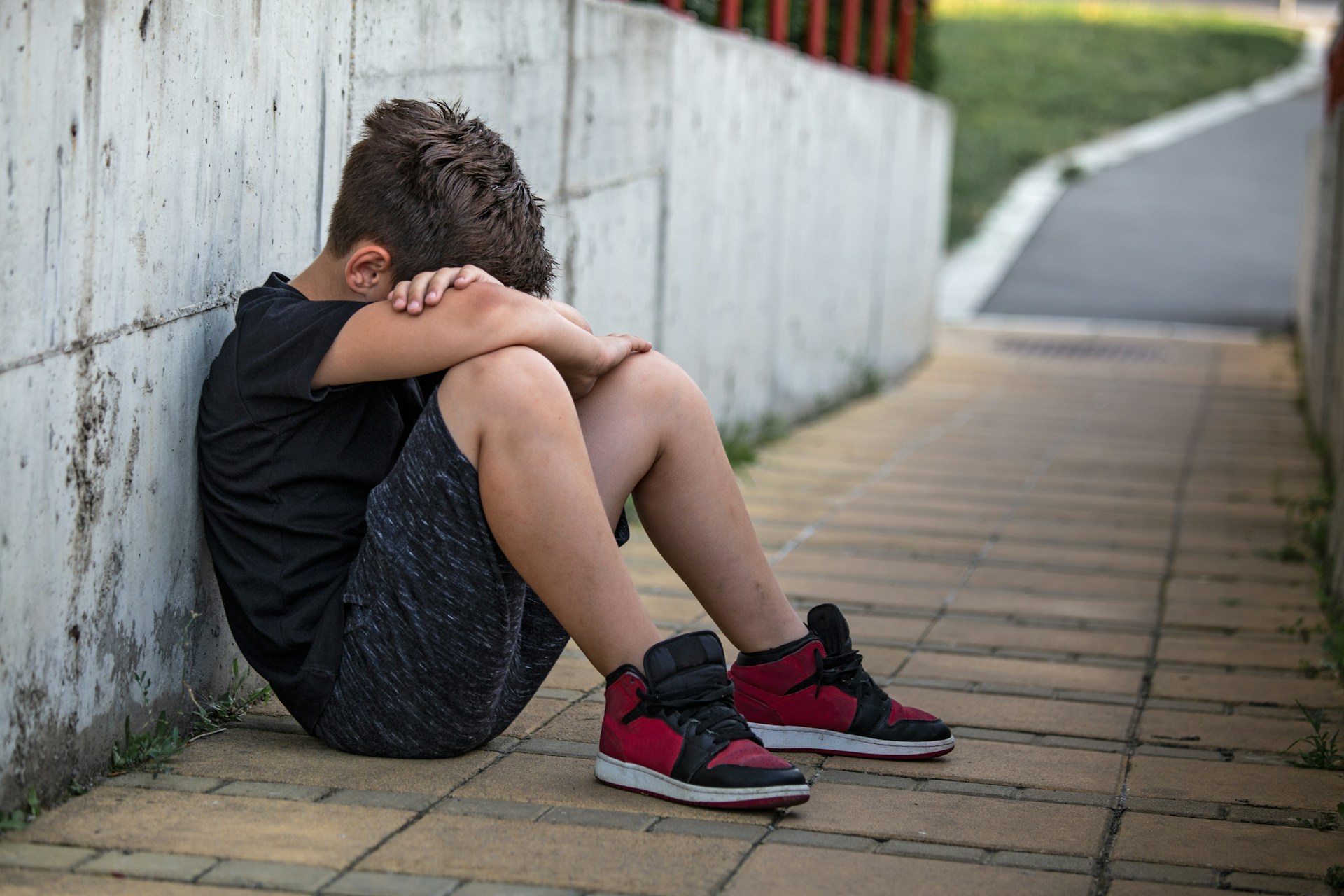
When “Normal Teen Behavior” Feels Like Something More
Raising a teen boy can feel confusing. One minute he is joking around, the next he is slamming doors or shutting down completely. It can be hard to tell what is “just being a teenager” and what might be deeper emotional pain, especially when boys are taught to hide their softer feelings.
When we talk about trauma, we are not only talking about big, obvious events. Trauma and Adverse Childhood Experiences, or ACEs, can include things like ongoing criticism, emotional neglect, exposure to yelling and conflict, bullying, abuse, or living with chronic stress at home. These experiences can shape how a teen boy sees himself, other people, and the world, even if he never talks about it directly.
Sometimes regular counseling and loving support at home are enough. But there are times when a teen trauma therapy program becomes the safer, more stable choice. A residential setting can offer structure, constant supervision, and focused treatment that are very hard to keep going inside a busy family home.
Hidden Ways Trauma Shows Up in Teen Boys’ Lives
Trauma often hides under the surface. Many boys do not say “I am hurting”; they show it in other ways. Emotional signs can include:
Sudden anger that feels way too big for the situation
Irritability that never seems to lift
Going numb, saying they “do not care” about anything anymore
Strong reactions to small comments, jokes, or changes in plans
You might see your son stop enjoying things he used to love. Maybe sports, hobbies, or family outings no longer interest him. He may seem checked out or bored, but inside he could be feeling fear, shame, or sadness that feels too heavy to put into words.
Behavior changes can also point to unhealed trauma:
Falling grades or refusing to do schoolwork
Skipping classes or avoiding school altogether
Risky choices like substance use, fights, vandalism, or unsafe online activity
More lying, sneaking out, or hiding what he is doing
Pulling away from old friends or family traditions
There are also physical and nervous system signs. The body often holds what the mind cannot process. Many parents notice:
Trouble falling or staying asleep, or sleeping way too much
Frequent headaches or stomachaches with no clear physical cause
Low energy, constant exhaustion, or seeming “wired” all the time
Jumpiness, flinching at sudden sounds, or always needing to know what is coming next
When these patterns show up together and do not fade over time, it may be more than typical teen moodiness. It can be a signal that your son is carrying trauma he does not know how to heal from on his own.
When Home and Outpatient Support Are No Longer Enough
Many families do everything they can before even considering a residential teen trauma therapy program. You might already have your son in outpatient counseling, working with a psychiatrist, or getting school support. Yet you may still feel like you are living in constant crisis.
Signs that current help might not be enough include:
Repeated trips to the ER or short hospital stays
Ongoing self-harm or suicidal thoughts even with treatment in place
Behaviors that get more dangerous or extreme over time
Parents feeling like they must watch their son every moment
Safety concerns are often the tipping point. Some parents are dealing with aggression toward siblings, parents, or peers. Others are finding secret online relationships, unsafe sexual behavior, or substance use they cannot monitor or stop. When it feels like your son is at risk of seriously hurting himself or someone else, the stakes feel very high.
A residential teen trauma therapy program is not a punishment. It is a higher level of care where your son can get 24/7 support, clear routines, and a healing environment built for kids who have been through hard things. It can give everyone in the family room to breathe, reset, and begin a new path.
What Healing Looks Like in a Teen Trauma Therapy Program
A strong teen trauma therapy program focuses on the whole boy, not just the behavior that brought him there. Treatment often includes:
An individualized plan that looks at his history, strengths, and specific needs
Evidence-based trauma therapies like EMDR, CBT, and body-based or somatic approaches
Staff who understand teen boys and how trauma and ACEs affect them
The environment matters just as much as the therapy. In a residential setting, your son can count on:
Predictable daily structure that helps his nervous system calm down
On-campus schooling so academics do not have to stop while he heals
A healthy peer group where boys are also working on their struggles
Clear, fair boundaries that help him feel safe, not controlled
Real healing is more than talking once a week in an office. It shows up in daily life when a boy learns to:
Notice and name what he feels instead of exploding or shutting down
Use coping tools when he is triggered, like grounding skills or asking for help
Repair trust with family members through guided conversations
Practice better choices in real situations, then reflect on what went well and what did not
Over time, boys in the right setting can begin to believe new things about themselves: that they are not “broken,” that their story is not over, and that they can make different choices going forward.
How Havenwood SLC Walks with Families Through Trauma
At Havenwood SLC in Utah, we focus on teen boys who have been impacted by Adverse Childhood Experiences and need more than outpatient support. We are a therapeutic boarding school and residential trauma treatment center, so we combine focused therapy, schooling, and a safe living environment in one place.
Our approach is relational. That means we work hard to build trust with your son through consistency, respect, and honest connection. We aim for him to feel seen and understood, not simply “managed” or punished for having big reactions. We know that many behaviors are survival skills that once kept him safe. Together, we work on replacing those with healthier tools.
Family work is a key part of this process. We include family therapy and parent coaching so that changes can last beyond our campus. Parents learn new ways to respond, set limits, and support their son without losing themselves in the chaos.
Spring can be a natural turning point for many families. As the school year starts to wind down and summer comes into view, some parents decide it is time for a reset. It can be a chance for a teen to step into a new environment, begin deeper trauma work, and build skills before another school year starts.
Taking the Next Step Toward Safety and Healing
If you find yourself constantly worried about your son, walking on eggshells in your own home, or lying awake wondering what his future will look like, your instincts are worth listening to. Feeling scared or unsure does not mean you are failing. It means you care deeply and you can see that something is not working.
A few concrete steps can help clarify what your family needs:
Write down specific behaviors and patterns that concern you
Share openly with your son’s current therapist, doctor, or school team
Ask directly whether a higher level of care, like a teen trauma therapy program, might be appropriate
Choosing a residential program is a big decision, and it is normal to feel grief, doubt, and relief all at once. Seeking this level of support is not giving up on your son. It is choosing a structured, hopeful path where he can be surrounded by people who understand trauma, believe in his potential, and walk with your family toward healing and growth.
Take The First Step Toward Healing Together
If your teen is struggling after a traumatic experience, we are here to help you navigate what comes next. Our teen trauma therapy program is designed to support both adolescents and their families with evidence-based care. At Havenwood SLC, we work closely with you to build a plan that feels safe, compassionate, and realistic. Reach out to contact us and start a conversation about how we can support your family.

