When Your Teen Needs More Than School Counseling Support
Teenager
May 24, 2026
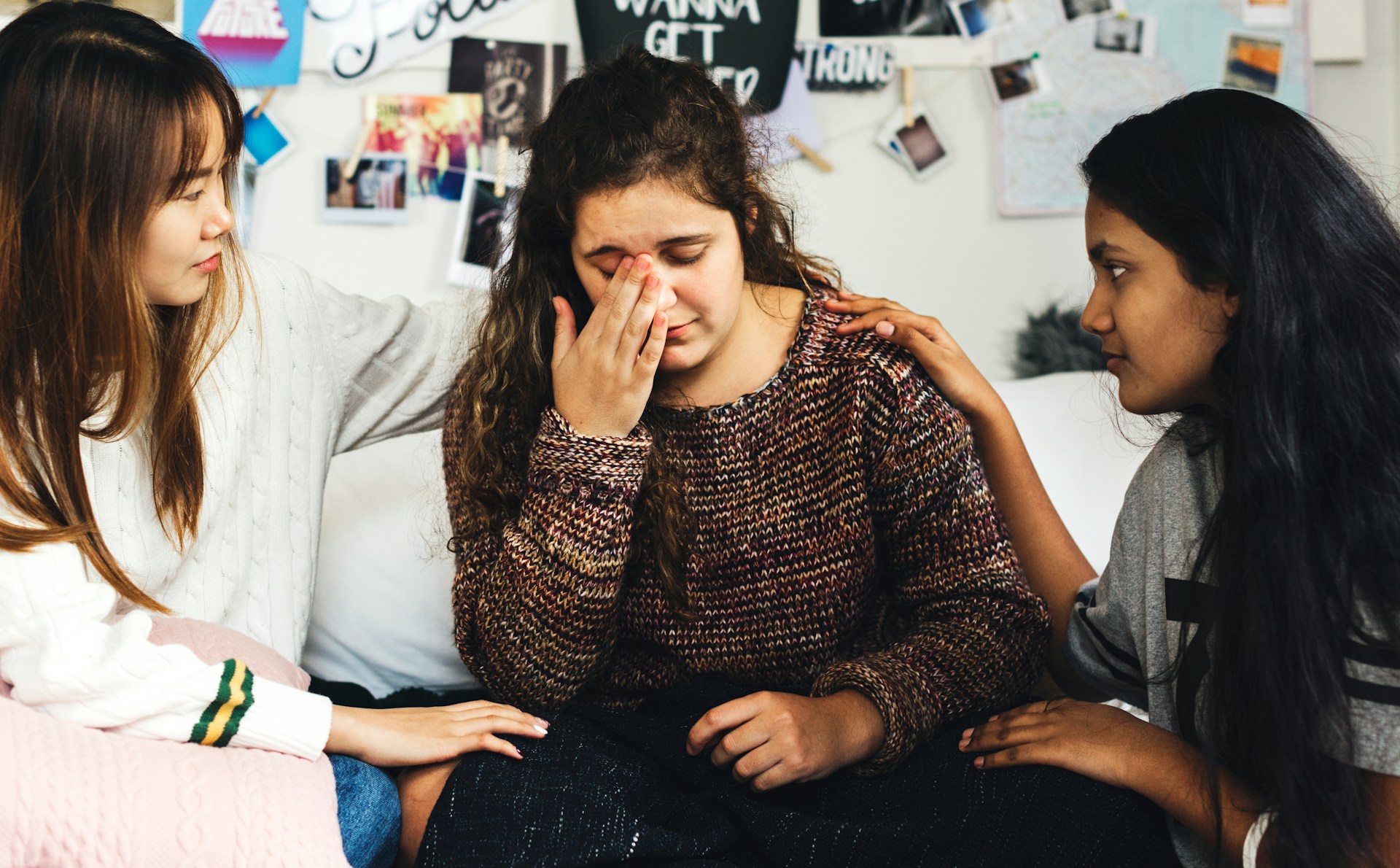
When School Help Is Not Quite Enough Anymore
You can have regular meetings with the school counselor, a carefully adjusted schedule, and extra academic support, yet still watch your teen melt down at home. Maybe your child is having explosive anger, shutting down for hours, or slipping into self-destructive habits after school. It can leave you wondering why everything looks “fine” on paper, while real life feels like it is falling apart.
Many parents tell themselves, “I should be grateful he has support at school, so why does it still feel like we are losing him?” That mix of confusion, guilt, fear, and love is very real. School counseling does help many students, but some teens, especially those who have lived through trauma or carry deep emotional pain, need more than any school can safely provide.
Our goal here is to bring some clarity. We will look at what school counseling can and cannot do, the signs that your teen may need a higher level of care, what residential treatment facilities for teens really are, and how trauma-informed care, like what we offer at Havenwood SLC in Utah, can give families a new path forward.
What School Counselors Can and Cannot Do
School counselors work hard to support students, and their role matters. In most schools, counselors are set up to help with:
Short-term emotional support during the school day
Crisis triage if a student is unsafe or highly distressed at school
Class schedules, credits, and academic planning
Coordination with teachers for basic classroom supports
There are natural limits built into that role. Common limits include:
High caseloads, which mean very short and infrequent meetings
Little privacy, since sessions happen on campus during school hours
Limited ability to include the whole family in the work
A focus on keeping your teen safe and learning while at school, not deep, long-term trauma treatment
There is also an emotional gap parents often feel. Teens may:
Mask deeper pain during the school day
Minimize their struggles during quick check-ins
Hold it together all day, then crash, rage, or shut down at home
If the school reports that your teen is “doing okay,” but you see intense anxiety, anger, or despair at home, you are not imagining things. That mismatch is a sign that school-based supports alone might not be enough.
Signs Your Teen Needs More Than School Can Offer
All teens have hard days. What we are talking about here are ongoing patterns that keep getting bigger or scarier, even with school counseling and outpatient therapy in place. Some red flags can include:
Escalating aggression toward family or peers
Self-harm or talk of wanting to die
Running away, sneaking out, or high-risk behavior
Substance use or dangerous impulsivity
For many teens who have lived through Adverse Childhood Experiences, behavior can also look like:
Intense reactions to authority or even simple requests
Shutting down, “checking out,” or staring off when upset
Major changes in sleep, eating, or energy
Sudden school refusal, often after a specific trigger or conflict
These are often survival responses, not “bad behavior.” Your teen’s nervous system is reacting to danger, even when you cannot see the original source of that danger anymore.
Another sign is how wide the problem spreads. If struggles are:
Showing up at home, at school, online, and in the community
Keeping your teen from attending school at all
Driving constant crisis, where you are always waiting for the next blow-up
then it may be time to think about a more contained, 24/7 setting where support is consistent day and night. Many families notice that as spring moves into summer and the school structure drops away, behaviors get more intense. That can make late spring and summer a window to explore options like residential treatment and set up a healthier start to the next school year.
What Residential Treatment Facilities for Teens Really Are
A lot of parents hear “residential treatment” and think of hospitals, juvenile justice, or harsh boot camps. Quality residential treatment facilities for teens are very different.
At their best, these programs are structured, home-like environments where teens:
Receive regular individual and group therapy with licensed clinicians
Attend school in smaller, more flexible classes
Practice daily living skills, like self-care, communication, and problem-solving
Live in a setting designed to be safe, predictable, and relational
These programs are usually designed for teens who have:
Significant emotional and behavioral challenges
Complex trauma histories or Adverse Childhood Experiences
Tried lower levels of care, like school counseling or outpatient therapy, without enough change
When you look at programs, it can help to ask about:
Trauma-informed care and how it shows up day to day
Qualifications of therapists and clinical staff
Individualized treatment planning
Accredited academics and how credits transfer
How families are included, supported, and prepared for reunification
Many parents worry that sending a teen to residential treatment means “sending them away” or giving up. We see it as surrounding a teen with enough safety and focused help that real healing becomes possible. A good program should feel human, not cold, and should always be focused on helping your teen return home stronger.
How Trauma-Informed Care Changes the Healing Path
Trauma-informed care starts from a simple idea: behavior is communication. When a teen is blowing up, shutting down, or breaking rules, we ask, “What happened to you?” instead of “What is wrong with you?”
That shift changes everything. Instead of focusing only on discipline, trauma-informed care centers on:
Building emotional and physical safety
Helping the nervous system calm through routines, movement, and coping skills
Understanding triggers and survival responses
Making sense of Adverse Childhood Experiences in a supportive way
At Havenwood SLC, we weave clinical therapy, tailored academics, and daily life skills together. Healing does not only happen in a therapy office once a week. It shows up at the dinner table, in the classroom, during chores, and in conflicts with peers, with trained staff there to guide each moment.
This kind of deep work simply does not fit into a 20- or 30-minute school counseling session. Residential treatment facilities for teens create the time, space, and consistency needed for new patterns to form in the brain and in relationships.
Choosing a Residential Program That Truly Fits Your Teen
If you are starting to wonder whether residential care might be right for your family, it helps to know what questions to ask. Helpful topics include:
How are staff trained in trauma-informed care and de-escalation?
What does a typical day look like for a student?
How do you handle crises, self-harm, or aggressive behavior?
How do you involve parents, caregivers, and home providers?
How do you manage academic credits and planning for graduation?
It can also help to check if the program’s values match your own. Look for a place that:
Sees your teen as a whole person, not a diagnosis
Emphasizes dignity, respect, and connection
Prioritizes long-term coping skills over short-term compliance
Talks openly about reunification and life after discharge
For some families, starting a program in late spring or summer can be helpful. The break from regular school gives teens time to settle in, engage in therapy, and catch up academically in a smaller setting. Many students are then able to step into the next school year with a more stable foundation.
Taking the Next Brave Step for Your Teen and Your Family
If your body is always on alert, if you are sleeping with your phone turned up loud in case something happens, or if every day feels like surviving the next crisis, it might be time to consider more intensive support. Your nervous system is giving you information too.
A small first step might be to:
Talk honestly with your teen’s current therapist or school counselor about what you are seeing at home
Gather school records, evaluations, and previous treatment notes
Have a calm, no-pressure conversation with a residential program about your concerns and questions
At Havenwood SLC, we meet many parents who arrive exhausted, scared, and unsure if anything can really change. We also see teens begin to connect, learn, and laugh again when they have the right environment around them. You are not alone in this, and needing more than school counseling support is not a sign of failure. It is a sign that your family deserves a deeper level of care, and that healing, one day at a time, is still possible.
Take The Next Step Toward Your Teen’s Healing
If your family is navigating a challenging season, we invite you to explore how our residential treatment facilities for teens can provide structure, safety, and compassionate clinical support. At Havenwood SLC, we work closely with families to create individualized plans that honor each teen’s unique needs and strengths. When you are ready to talk about what comes next, contact us so we can walk through options together and answer your questions.

