Understanding Teen Trauma Treatment in Therapeutic Schools
Teenager
May 12, 2026
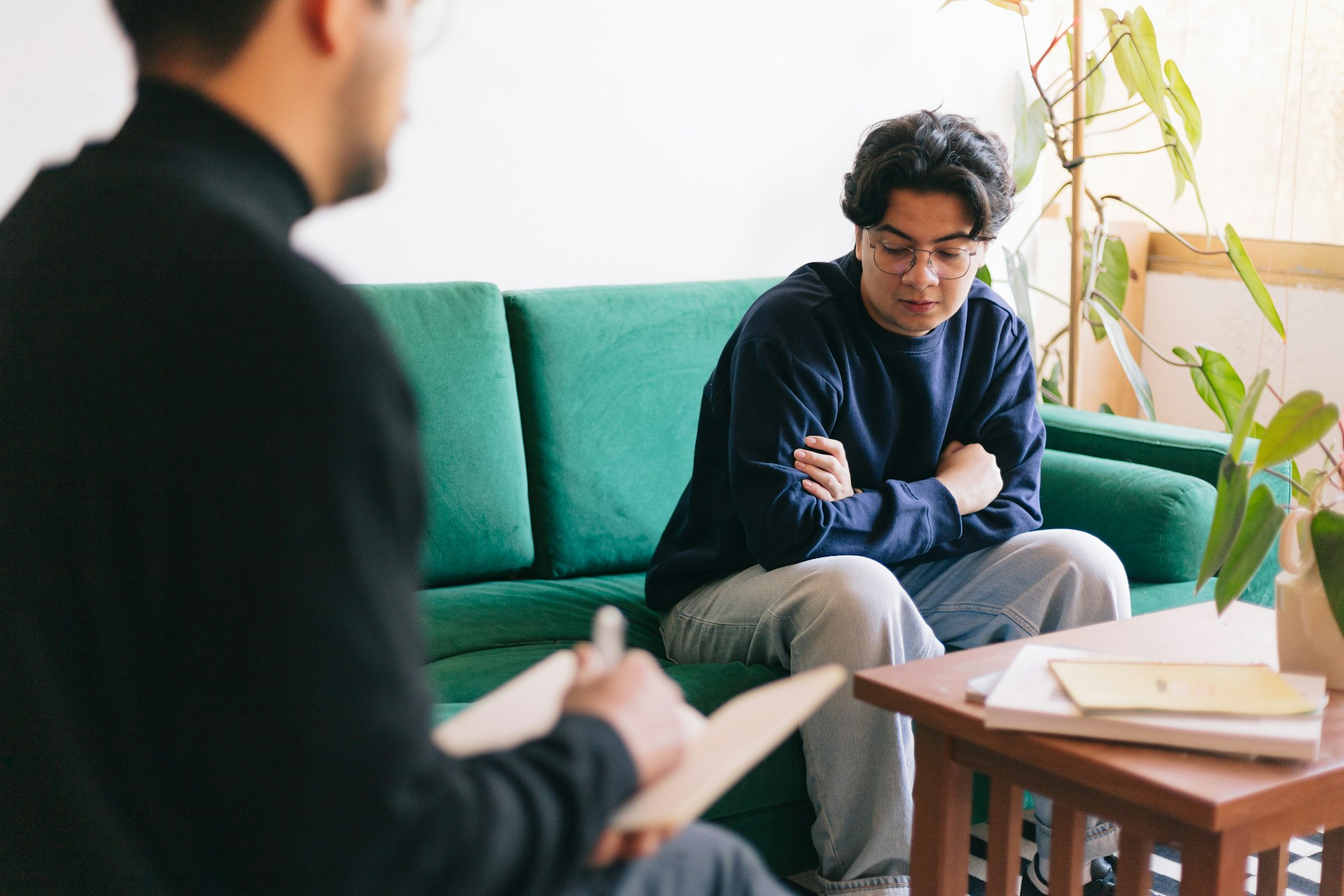
When your teen is hurting and nothing seems to work, life at home can start to feel like a constant crisis. You may be trying everything you know, from new rules to new therapists, and still watching your son slip further away. This is scary, exhausting, and lonely, and it can bring up guilt and second-guessing every choice you make as a parent.
Many parents are told their son has “behavior problems” or is just “acting out.” Underneath, there is often unhealed trauma that shows up as anger, withdrawal, school refusal, substance use, or shutdown. That does not mean your teen is broken or bad. Therapeutic schools in Utah, like our own residential program, are built to understand trauma, create safety, and give boys the time and structure they need for real change. With the right support, teens can heal, reconnect with school, and start to trust themselves and others again.
What Teen Trauma Really Looks Like Day-to-Day
Trauma is not only about one big event. It can grow from many different experiences, including:
Ongoing family conflict or high stress at home
Emotional neglect or feeling unseen and unheard
Loss, grief, or major changes in family structure
Community violence or unsafe neighborhoods
Medical crises or painful medical procedures
Many teens cannot clearly name what hurt them. They may say “I’m fine” or not remember details. Their body and nervous system still carry the impact.
For boys, trauma often shows up in patterns like irritability or sudden anger that feels “over the top,” shutting down or zoning out, and “numbing out” with screens or substances. It can also look like risky behavior, breaking rules, or defiance. Some boys cope in ways that appear more “high-functioning,” such as perfectionism, people-pleasing, and fear of making mistakes. Others show more obvious distress through self-harm, intense anxiety, or panic that comes out as “attitude.”
School usually feels harder too. You might see:
Trouble focusing, even if he is smart
Missing assignments and late work
Sharp drops in grades after a stressful event
Conflicts with teachers or walking out of class
Eating alone or isolating from peers
Parents often feel confused when their son seems okay one day, then falls apart the next. This up and down pattern is common when a teen’s nervous system has not learned how to feel safe and steady. It is not a failure on your part. It is a sign that deeper support may be needed.
Why a Regular School Often Is Not Enough Anymore
Most schools do their best with the tools they have. They might offer:
Brief meetings with a school counselor
Behavior plans or contracts
Detentions, suspensions, or time-out of class
These supports can help some students, but teens dealing with trauma usually need much more. They need predictable, calm adults they can count on every day, a sense of emotional and physical safety across the whole campus, and space to learn coping skills, not just follow rules.
When trauma is not understood, staff may misread a trauma response as pure disrespect or laziness. A boy who walks out of class might actually be overwhelmed and trying not to explode. If this gets treated only as defiance, the result can be more suspensions, academic failure, and deep shame.
The whole family feels this pressure. Parents get constant calls from school. Evenings turn into battles over homework or getting out of bed for class the next day. Siblings feel the tension and may start to pull away or act out in their own ways. Love alone is powerful, but it is not always enough to repair trauma without added structure and professional care. Therapeutic schools in Utah and in other states are built for students whose emotional and behavioral needs go beyond what a regular school can safely manage.
How Therapeutic Schools in Utah Support Deep Healing
Strong therapeutic schools in Utah focus on safety, connection, and steady routines. Core parts often include:
24/7 supervision and support
Licensed therapists on campus
Small class sizes with more individual attention
Staff trained in trauma-informed care
Daily schedules that are clear and predictable
Integrated care means therapy is part of daily life, not just a once-a-week appointment. Boys take part in:
Individual therapy to process their story at their own pace
Group therapy to learn they are not alone and practice new skills
Family therapy to shift patterns at home and improve communication
Experiential activities like time outdoors, creative arts, and service projects
School is still a priority. Many teens come in behind or discouraged about learning, so therapeutic schools work to rebuild confidence while addressing emotional needs. This often includes customized learning plans, credit recovery when possible, support for learning differences, and a step-by-step approach to rebuilding academic confidence.
Utah’s natural setting, including mountains and open spaces, offers helpful options for safe, structured outdoor activities in spring and summer. Hikes, recreation, and time outside give teens chances to practice coping skills in real life, feel their bodies again, and connect with healthy adventure instead of unsafe risk.
Inside a Trauma-Focused Residential Program for Boys
At a trauma-focused residential program like Havenwood SLC, daily life is steady and purposeful. A typical day might include:
Morning wake-up, hygiene, and breakfast together
School blocks with breaks, support, and clear expectations
Individual or group therapy appointments during the week
Afternoon activities, exercise, or supervised recreation
Evenings with chores, downtime, and structured groups
Night routines aimed at good sleep and calming the body
The culture is centered around safety and respect. That includes clear boundaries and consistent rules, plus staff who coach, de-escalate, and teach instead of using shame or harsh punishments. It also means building emotional regulation skills (like breathing and grounding tools) into everyday moments and using language that separates the teen’s worth from his behavior.
Relationships are a major part of healing. Boys practice living in a peer community with support and accountability, giving and receiving feedback in healthy ways, handling conflict without violence or shutdown, and expressing anger, sadness, and fear with words instead of only actions.
Parents stay involved through regular calls, family therapy sessions, and planned visits so they can learn the same tools their son is learning. Healing trauma works best when the whole family is growing, not just the teen in treatment.
How to Know if It’s Time to Consider a Therapeutic School
It can be hard to know when residential care is needed. Some red flags include:
Escalating aggression or threats of harm
Self-harm or talk of wanting to die
Running away or disappearing for long periods
Chronic school refusal, not just occasional skipping
Repeated hospital stays or emergency evaluations
There are also quieter signs that are easy to explain away:
Ongoing withdrawal from family and long-time friends
Frequent panic attacks or intense anxiety
Secretive behavior online or with substances
Big changes in sleep, like staying up all night or sleeping most of the day
If a part of you is saying, “We cannot keep going like this,” that inner voice deserves attention. Choosing a residential therapeutic school in Utah is not giving up. It is choosing a higher level of safety and care.
When you explore programs, it can help to look for:
A clear trauma-focused approach
Proper licensure and accountability
Strong family involvement and communication
Thoughtful aftercare planning for when your son returns home
Experience with the specific needs of teen boys
Taking the First Step Toward Hope and Healing
Even if life feels out of control right now, there is a path forward. Trauma does not have to define your son’s future. With time, structure, and skilled support, teens can move from survival mode into a more settled, hopeful way of living.
At Havenwood SLC, we see teen boys rebuild trust, catch up in school, and learn to talk about feelings that once came out only as anger or shutdown. The process is not quick or simple, but it is possible. Your love, paired with the right level of care, can give your family a new foundation of stability, connection, and possibility.
Find the Right Therapeutic School Path for Your Teen Today
If your family is exploring options and wants to understand how we integrate clinical support with academics, we invite you to learn more about our approach to therapeutic schools in Utah. At Havenwood SLC, we partner closely with parents to design a plan that fits each teen’s needs, strengths, and goals. When you are ready to talk with our team, please contact us so we can help you take the next step with clarity and confidence.

