What to Expect From Trauma-Informed Counseling Centers
Teenager
Mar 29, 2026
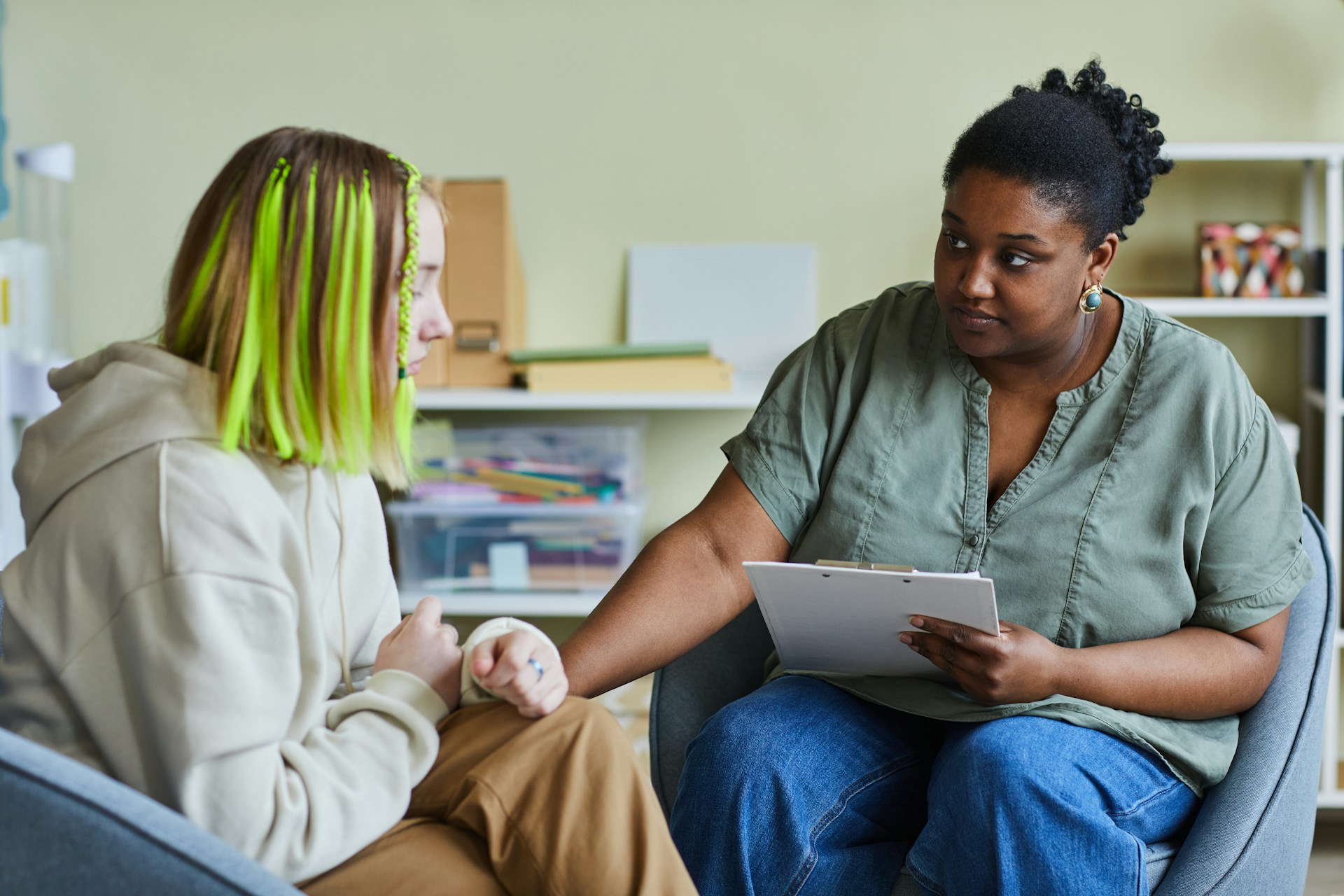
When a teen has lived through overwhelming or painful experiences, it can shape how they see the world. Trauma-informed counseling centers are built to support them in ways that feel safe, steady, and respectful. These spaces understand what trauma does to a growing brain and how to help young people begin to heal.
Families often wonder what life looks like inside an adolescent therapy center. What happens in a day? How are kids treated? What kind of support really helps? These questions come from a place of love and worry, and they matter. Teens who have been through a lot need spaces that do more than offer therapy, wrapping them in care from morning to night. That is what trauma-informed settings are built to do.
What Trauma-Informed Care Really Means
Being trauma-informed means starting from a place of understanding. It means that everything, from how someone is spoken to, to how a room is arranged, is shaped by the idea that people carry hard stories with them. This kind of care helps teens feel safe and seen. It does not ask, "What’s wrong with you?" Instead, it asks, "What happened to you?" That shift changes everything. When we stop viewing behaviors as problems and start seeing them as signals, we create a space where healing feels possible.
Trauma-informed care is different from traditional therapy in key ways. It does not just focus on talking about feelings. It looks at how the body, brain, and relationships are all affected by past hurt. It recognizes that safety and trust have to come first. Without those, therapy can feel scary instead of supportive.
Core Elements of a Trauma-Informed Setting
A lot of teens with trauma backgrounds have lived through years of chaos or not knowing what to expect. That is why structure matters so much. Trauma-informed spaces provide routines that give teens a sense of control and security. Some of the things you will often see include:
Predictable schedules that do not change without warning
Calm, low-stimulation environments that help reduce overwhelm
Staff members who stick around and build steady relationships
These pieces of daily life help teach teens that the world can be consistent, and that they are safe within it. When a young person can count on meals, schedules, and people, it lowers their stress and opens the door for therapy to work better. That consistency is part of the healing.
Types of Therapy Often Used
Therapy in these spaces does not look the same for everyone. That is because healing looks different for each teen. Still, many trauma-informed centers use a few core approaches to help teens deal with the hard things they are carrying. Here are a few tools that are often used:
EMDR (Eye Movement Desensitization and Reprocessing), which helps the brain process stuck memories
Neurofeedback, which works with brain patterns to support regulation and focus
Group therapy, where teens build social and emotional skills in a shared space
Each adolescent therapy center selects tools based on what will support each teen. The goal is to help with things like grief, fear, anger, or confusion, not just by talking but by using the brain’s natural ability to heal when given the right support.
How Teens Begin to Build Trust Again
Trust is often the biggest hurdle. When a teen has been hurt by adults or let down too many times, they do not hand out trust easily. That is normal. It is not a problem to fix, it is something to respect. Relationships are at the heart of trauma recovery. Staff members at trauma-informed facilities model patience, respect, and boundaries. They do not push teens to talk or connect. Instead, they show up consistently, day after day, offering small chances for safe connection.
Connection also happens between peers. With strong guidance, teens start to experience what healthy relationships look and feel like. That shared experience makes a real difference. Over time, in a quiet and steady environment, trust begins to take root. It might take months, but when teens finally start to open up, big changes can follow.
Support Beyond Therapy
Therapy helps, but so does daily life. A huge part of healing comes from learning how to live in the world again and believing that good things are possible. Trauma-informed centers include more than just therapy sessions. They focus on life skills, healthy habits, and learning how to function in relationships. Some of the ways they support teens outside of therapy include:
Teaching ways to handle conflict without shutdowns or outbursts
Helping teens learn how to build friendships and keep them
Supporting schoolwork and planning for next steps after treatment
These everyday wins matter just as much as progress made in therapy. Learning how to cook a meal, stay organized, or speak up in class helps build self-worth. It shows teens that they are capable and deserve a future that feels good.
Healing Happens in the Right Environment
Recovery from trauma does not happen in a rush. It takes time, safety, and the right kind of support. Teens need a space where their story is honored, their body and mind are cared for, and their future feels possible, not scary. What makes trauma-informed counseling centers different is how they look at the whole person. Therapy, structure, trust, and daily care all work together. For teens who have been hurt, that kind of full-circle support is what creates real change.
When healing starts to take hold, we see more than just peace return. We see hope. That is why these places matter so much. They offer something many teens have not had in a long time, a place where they are safe to grow. At Havenwood SLC, we understand how important it is for families to find compassionate support when a teen is struggling. Our days are shaped by calm routines, steady guidance, and therapies tailored to each individual’s needs within a trauma-informed environment.
If your teen is carrying more than they know how to say, finding steady, compassionate support matters. At Havenwood SLC, we meet young people with calm routines, trusted relationships, and therapies designed for trauma recovery. To learn more about how we care for the whole person in a safe, structured setting, explore our adolescent therapy center. Healing starts with believing that change is possible.

