What Spring Sports Reveal About Teen Boys’ Hidden Trauma
Teenager
Apr 26, 2026
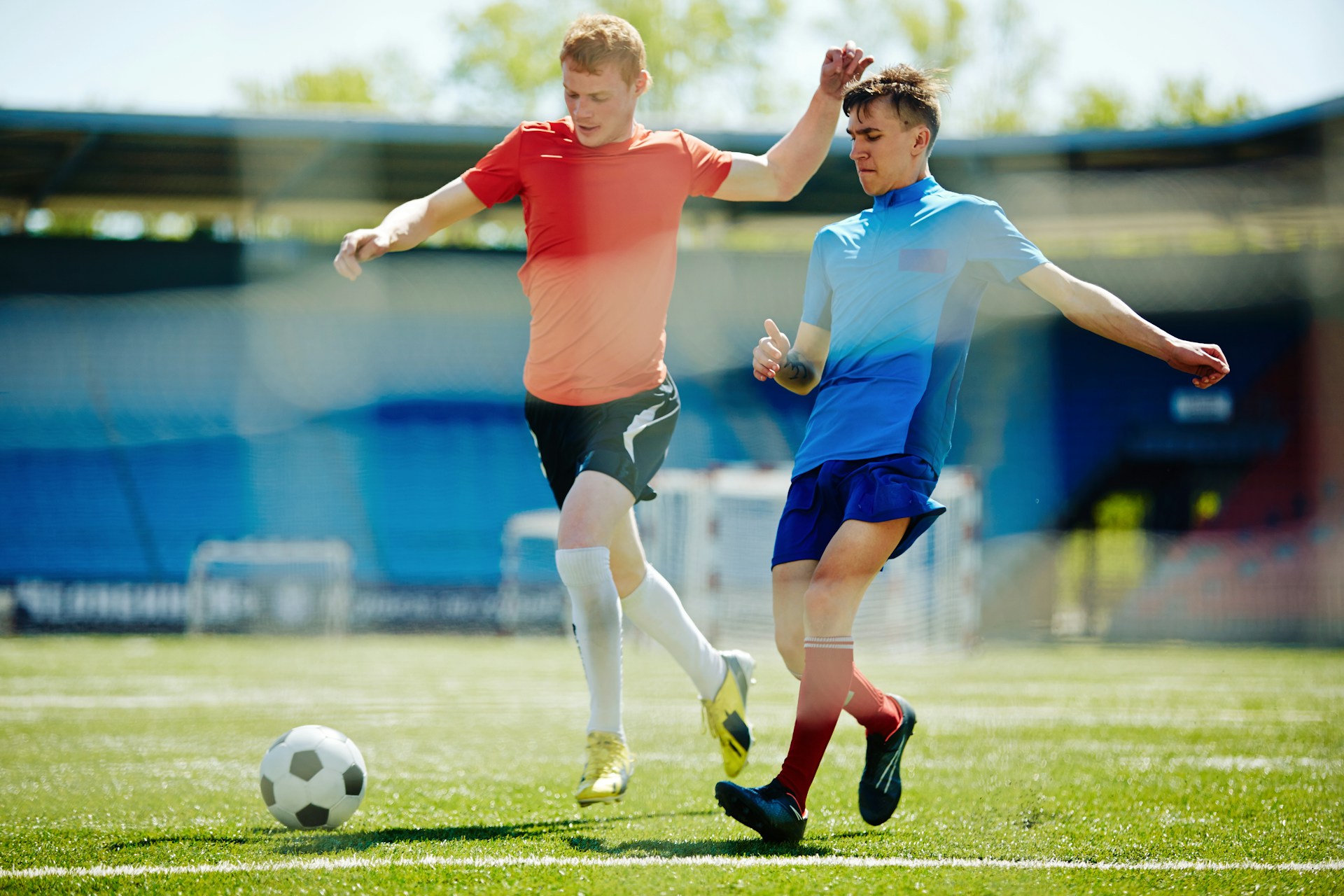
What Spring Sports Reveal About Teen Boys’ Hidden Trauma
Spring sports can be a bright spot in a teen boy’s life. Fresh air, movement, friends, and a clear goal can all be good things. But for some boys, this season feels heavier than anyone expects. Parents and coaches sense that something is off, but it is hard to put into words.
At Havenwood SLC, we work with teen boys and their families every day. We see how sports can bring hidden pain to the surface. This article walks through what might really be going on, why it matters, and how a teen trauma therapy program can help your son find a healthier way to play, compete, and connect.
When Spring Sports Start to Feel Heavier Than They Look
On the surface, a spring practice looks simple. Boys are laughing, cracking jokes, running drills, and pushing themselves. There is energy and noise and movement. From the outside, it can look like everything is fine.
Then there is the one boy who seems off. He might be:
Move a little slower, even though he is in shape
Snap back at a coach over simple feedback
Stare into space between plays
Joke nonstop so no one sees how upset he is
Sports like baseball, track, lacrosse, and soccer bring up a mix of pressure and attention. The season can stir:
Fear of failure when everyone is watching
Social comparison with teammates and friends
Extra focus from family on scores and stats
Old feelings of not being good enough
What can look like attitude, laziness, or lack of grit is often something deeper. For some boys, hidden trauma sits right under the surface. The field, court, or track becomes the place where that pain finally shows up, even if no one understands why.
When Effort Turns Into Avoidance or Explosions
Many parents notice behavior shifts once sports season kicks in. A boy who used to love his sport suddenly wants nothing to do with it. Or he starts reacting in ways that feel bigger than the situation.
You might see him:
Quit mid-season with little warning
Complain of constant aches that never fully match what you see
Miss practices or show up late again and again
Explode at coaches or teammates over small issues
These patterns often line up with trauma responses like fight, flight, or freeze.
Fight: snapping at coaches, arguing, yelling, or getting into conflicts
Flight: skipping practice, “forgetting” games, or hiding in the bathroom
Freeze: standing still, going blank in clutch moments, or shrinking on the field
At some point in his life, these responses may have helped him stay safe in hard or scary situations. On the field, those same patterns get labeled as defiance, disrespect, or lack of commitment. What looks like a behavior problem is often a survival strategy that has not yet been understood or healed.
Hidden Trauma Behind Hustle, Perfection, and Overtraining
Not every hurting boy looks checked out. Some look like star players. He is the one who is always early, stays late, and never seems satisfied. Coaches may praise his effort. Parents may feel proud of his dedication.
Under that hustle, he might be:
Overtraining and ignoring pain or injuries
Devastated by even small mistakes
Unable to rest on off days
Talking to himself in harsh, cruel ways
For many boys, trauma teaches a painful belief: “I only matter when I am useful, perfect, or winning.” Sports then turn into a nonstop test of worth. Every game becomes proof that he is either “good enough” or a failure.
Adults can accidentally feed this pattern by praising:
Playing through pain
Never showing emotion
Never asking for help
Always putting the team first, even when he is breaking inside
On the outside, he looks driven. On the inside, his stress and anxiety keep growing. Without support, that pressure can spill over into school, friendships, and home.
What Coaches and Parents Often Sense but Can’t Name
Many adults cannot name trauma, but they feel when something is not normal teen moodiness. They notice, deep down, that a boy’s reactions seem “too big” or “not like him.”
Signs that might point to unresolved trauma include:
Extreme reactions to small corrections or criticism
Panic or intense dread before games or meets
Sudden rage when benched or rotated out
Withdrawing from friends after practices or losses
Intense shame over minor mistakes on the field
From a trauma-informed view, the key question shifts. Instead of “What is wrong with him?” we move toward “What has he been carrying?” A teen trauma therapy program is designed to ask that second question. It helps make sense of these signals so adults do not just punish or push harder, but respond with more care and understanding.
How Trauma-Focused Care Helps Boys Reclaim the Game
In a trauma-focused residential setting like Havenwood SLC in Utah, the pace slows down. Boys move into a predictable structure with clear routines. Relationships are at the center. Activity, including sports and movement, is used gently and on purpose, not as more pressure to perform.
Inside this kind of care, boys can:
Learn to notice and name what they feel in their bodies
Practice calming skills before, during, and after stressful moments
Explore the stories they tell themselves about winning, losing, and worth
Therapy can reshape how a teen experiences competition and teamwork. With the right support, he can start to:
Tolerate frustration without melting down or shutting down
Hear coaching without feeling crushed by shame
Set boundaries when his body hurts or he is overwhelmed
Connect with teammates in ways that feel safer and more honest
Family work is also a big part of healing. Parents learn new ways to talk about performance, mistakes, and feelings. This might mean shifting questions from “How did you play?” to “How did it feel out there?” Over time, home becomes a place where effort, rest, and emotion all matter, not just stats or scores.
Turning Spring Struggles Into a Fresh Start for Your Son
If spring sports are highlighting troubling patterns, your concern is not overreacting. Noticing that something is off is an act of love. It does not mean you failed as a parent or that your son is broken. It means something in him is asking for help.
Helpful next steps can include:
Easing up on performance expectations for a while
Having a calm, curious talk with your son about how sports feel, not just how he plays
Connecting with a trauma-informed therapist who understands teen boys
Exploring whether a teen trauma therapy program, like the one we offer at Havenwood SLC, is the right level of care
Spring sports can be more than a season of pressure. With the right support, they can become a place where your son learns resilience that is rooted in self-worth, not fear. At Havenwood SLC, we see boys move from hidden pain to a more grounded, hopeful way of living, on and off the field.
Take The First Step Toward Healing And Stability
If your teen is struggling with the impact of trauma, we are here to help you navigate what comes next. Our teen trauma therapy program is designed to provide safety, structure, and evidence-based care tailored to your child’s unique needs. At Havenwood SLC, we partner with families so you do not have to face this season alone. Reach out today to contact us and talk with our team about the right next step for your family.

